


Why Building Toys Improve Problem-Solving
Building toys don’t tell children what to do.
They invite children to figure things out on their own.
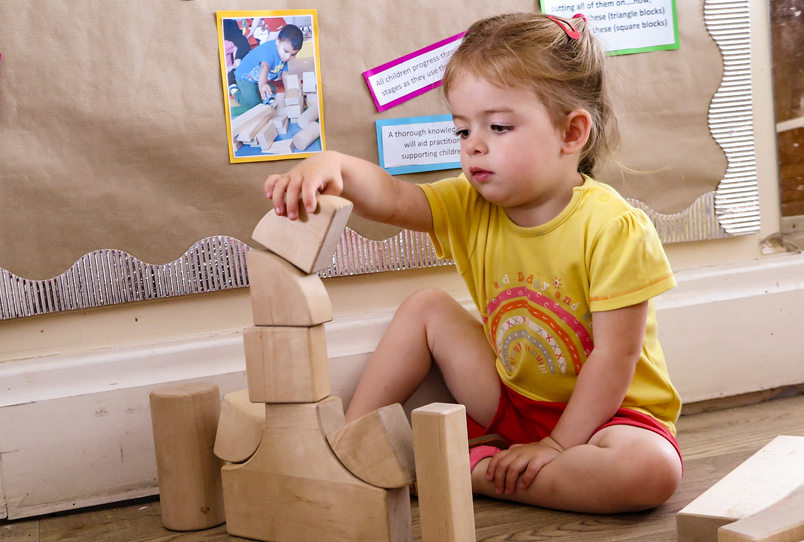
When children build, collapse, and rebuild, they practice problem-solving in its most natural form—through hands, space, and movement rather than instructions or rules.


Problem-Solving Begins with Experimentation
Before children can explain a solution, they experiment.
Building toys encourage:
-
Trial and error
-
Testing balance and structure
-
Adjusting based on results
When something doesn’t work, children instinctively change their approach. This is problem-solving in action.
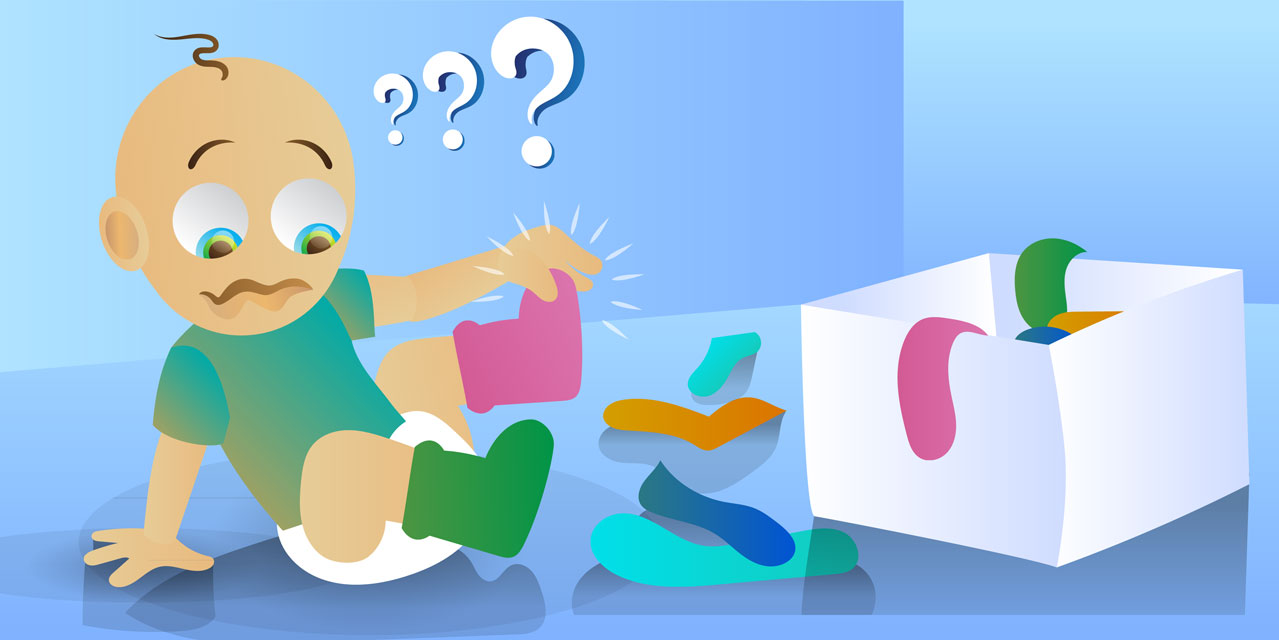
Mistakes Become Information, Not Failure
In building play, mistakes are expected.
A tower falls.
A bridge won’t hold.
Instead of stopping, children ask:
-
“What if I move this?”
-
“What happens if I add one more piece?”
Mistakes become feedback, not discouragement.


Building Toys Encourage Flexible Thinking
There’s rarely a single correct outcome.
The same pieces can create many solutions, which helps children:
-
Shift strategies easily
-
Think creatively under limits
-
Stay open to new ideas
This flexibility is a core problem-solving skill.
Focus Develops Naturally
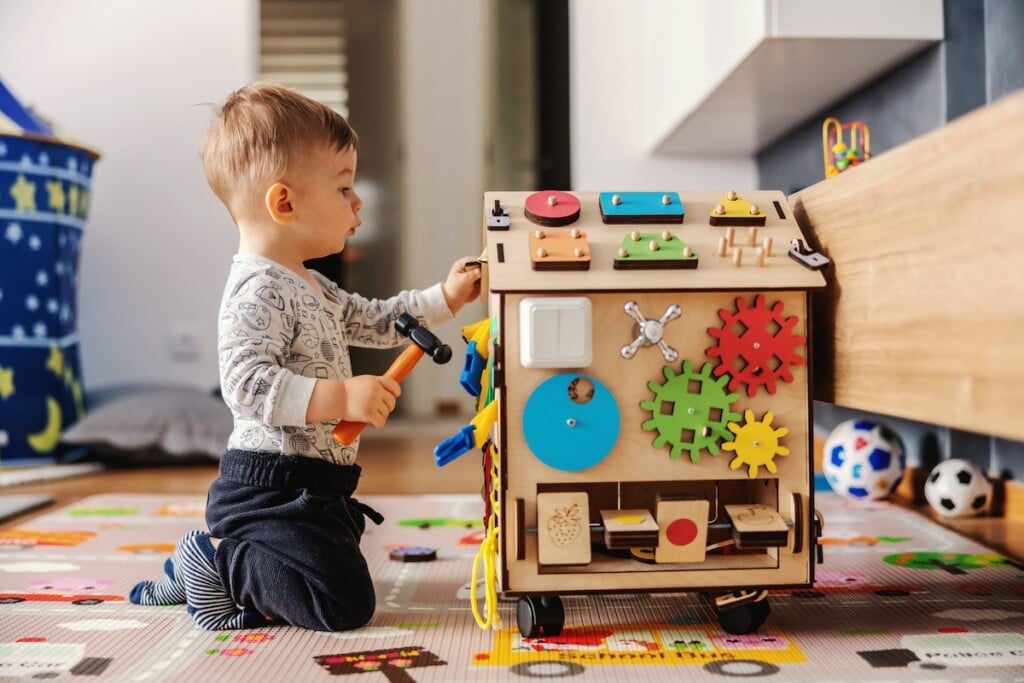
Building toys hold attention without forcing it.
Children stay engaged because:
-
Their hands are busy
-
Progress is visible
-
Goals come from within
This kind of focus is calm, not pressured—and it lasts longer.

Planning Happens Without Instruction
To build something stable, children must:
-
Think ahead
-
Understand sequence
-
Adjust structure step by step
They are planning and reasoning—without being told they are “learning.”
Why Simple Building Toys Work Best
Open-ended building toys are often more effective than complex ones.
Simple pieces:
-
Reduce mental overload
-
Allow imagination
-
Keep attention on problem-solving
The fewer the rules, the more thinking happens.
The Adult’s Role in Building Play
You don’t need to correct or guide constantly.
Support looks like:
-
Observing quietly
-
Asking open-ended questions
-
Letting children struggle productively
Helpful prompts:
-
“What are you trying to make?”
-
“What could help it stay up?”
This builds independence and confidence.
How These Skills Transfer to Daily Life
Children who build learn that:
-
Problems can be approached calmly
-
Solutions take time
-
Trying again is normal
These habits carry into school, relationships, and everyday challenges.
Final Thought
Building toys improve problem-solving because they turn thinking into something physical and approachable.
Children learn that solutions aren’t instant—but they are possible.
With every block placed and moved, confidence grows quietly.